Trinity Publishing Press
Loading 0%

Trinity Publishing Press Blogs

Blogs

Publishing Made Simple

With the right knowledge, publishing your book is easy. Browse our blog to get the insights you need.

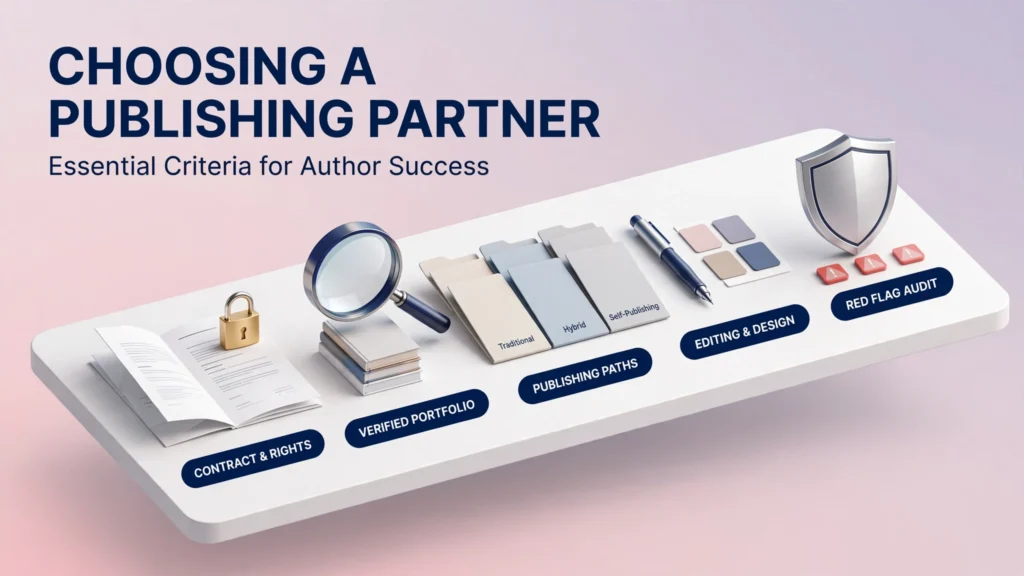
How to Choose the Right Publishing Company for Your Book

Choosing the right publishing company can shape your book’s success. Learn how to compare publishers, contracts, services, pricing, distribution, and marketing. Find a publishing partner that respects your work and supports your goals.

The Complete Guide to Publishing a Book in the USA

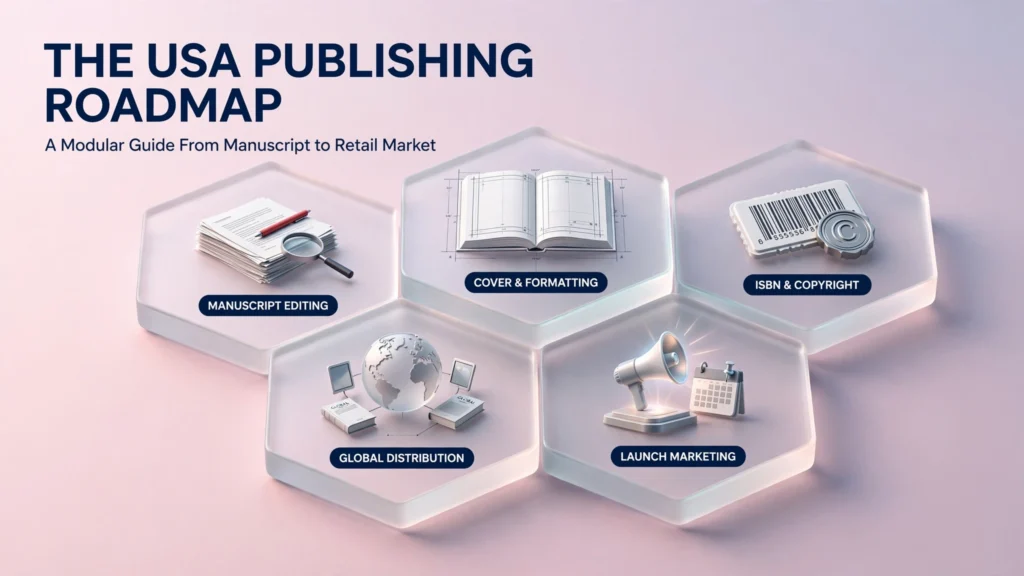
Discover how to publish your book in the USA from manuscript to market. Learn about editing, cover design, formatting, ISBN, distribution, and marketing. Get the guidance you need to turn your book into a professional publication.

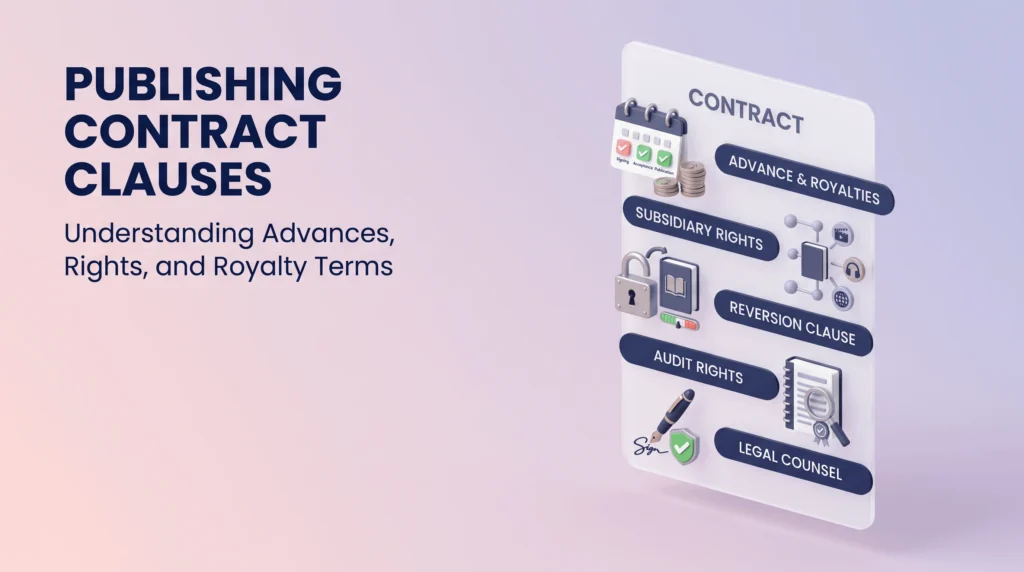
Understanding Publishing Contracts: Advances, Rights, and Royalty Clauses

Publishing contracts can affect an author’s income, rights, and creative control for years. Understanding advances, royalties, subsidiary rights, reversion, and audit clauses before signing helps authors protect their work and negotiate stronger long-term terms.

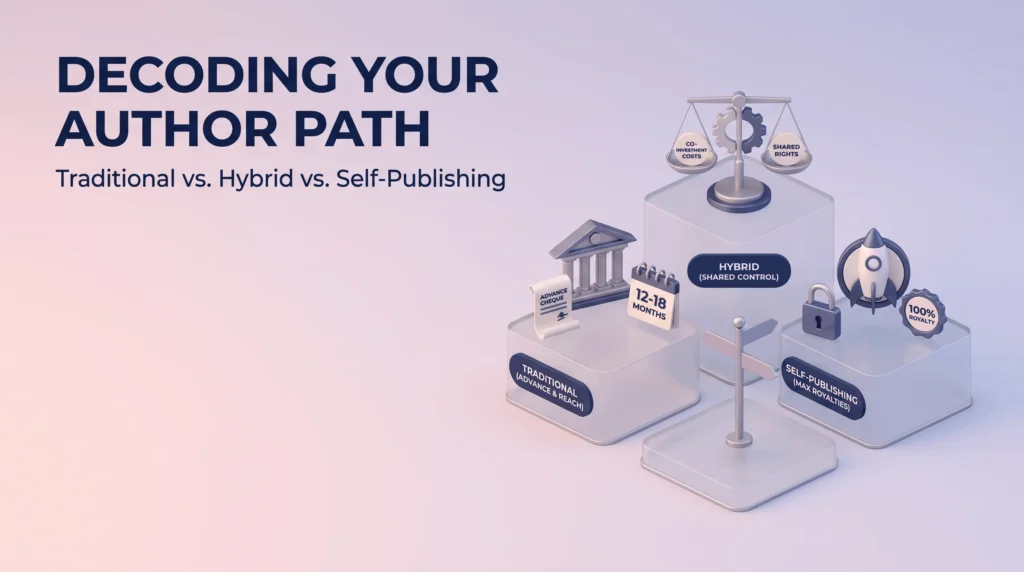
Traditional Publishing vs. Hybrid vs. Self-Publishing: Decoding Your Author Path

Traditional, hybrid, and self-publishing each offer different balances of control, cost, speed, distribution, and royalties. Choosing the right path depends on your book, publishing goals, budget, timeline, and how much creative and financial control you want to retain.

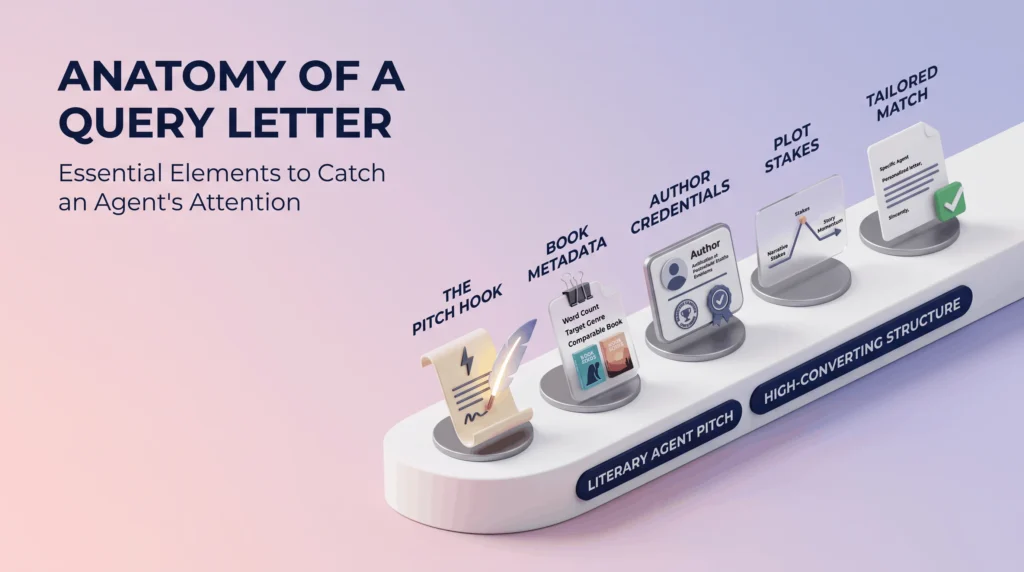
Anatomy of a High-Converting Query Letter: How to Catch an Agent’s Attention

A strong query letter needs a compelling hook, clear manuscript details, a relevant author bio, and a focused synopsis. Personalizing each submission and following the agent’s guidelines can significantly improve your chances of getting noticed and requested.

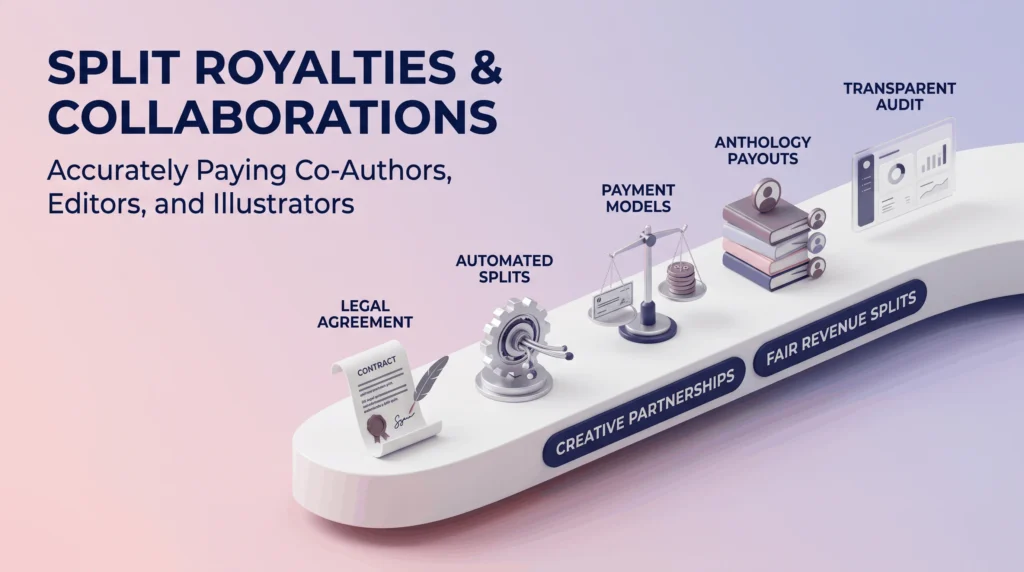
Split Royalties and Collaborations: How to Accurately Pay Co-Authors, Editors, and Illustrators

Clear royalty agreements protect both earnings and relationships in collaborative publishing. Defining each contributor’s share, payment terms, and responsibilities upfront—and using transparent tracking—helps prevent disputes between co-authors, editors, and illustrators.

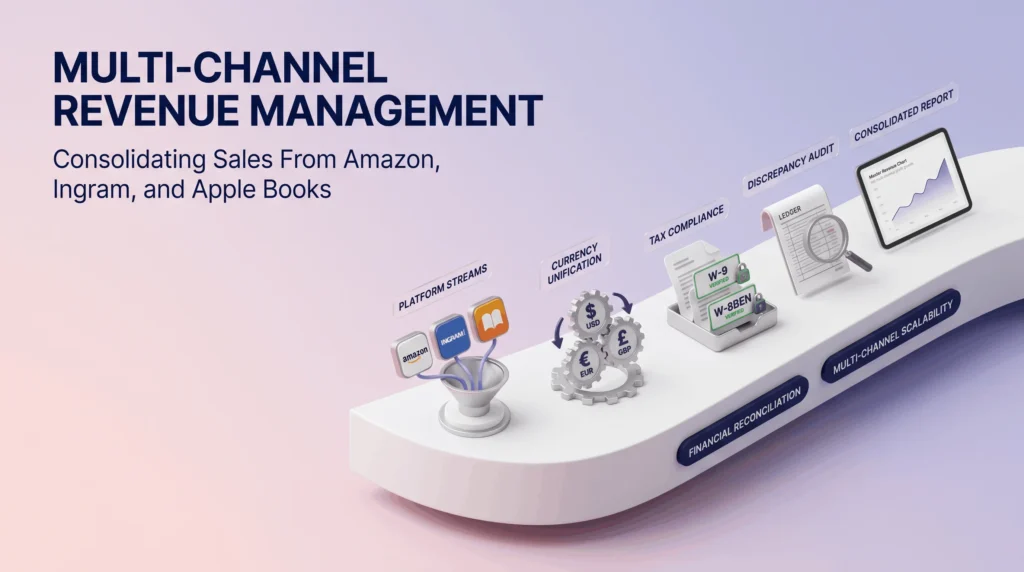
Managing Multi-Channel Revenue: Consolidating Sales From Amazon, Ingram, and Apple Books

Consolidating sales from Amazon, Ingram, and Apple Books gives authors a clearer view of total revenue across platforms. Tracking currencies, tax withholding, payouts, and reporting differences in one system makes financial management easier and supports smarter publishing decisions.

Decoding Book Royalties: How Net vs. Gross Payouts Really Work for Self-Published Authors

Understanding gross versus net revenue helps authors see what they actually earn from each sale. Distributor fees, print costs, and retail discounts can significantly reduce payouts, making accurate royalty calculations essential for smarter pricing and format decisions.

Metadata, ISBNs, and Categorization: The Secret to Global Book Discoverability

Strong metadata helps your book get discovered by the right readers across global markets. Accurate categories, localized keywords, regional pricing, and appropriate DRM settings create a stronger foundation for international visibility and marketing success.

How Global Print-on-Demand Works: Expanding Beyond Local Bookstores

Global print-on-demand lets authors sell physical books internationally without bulk inventory or expensive overseas shipping. Copies are printed closer to the reader, reducing fulfillment costs and delivery times while making global print distribution more practical and accessible.

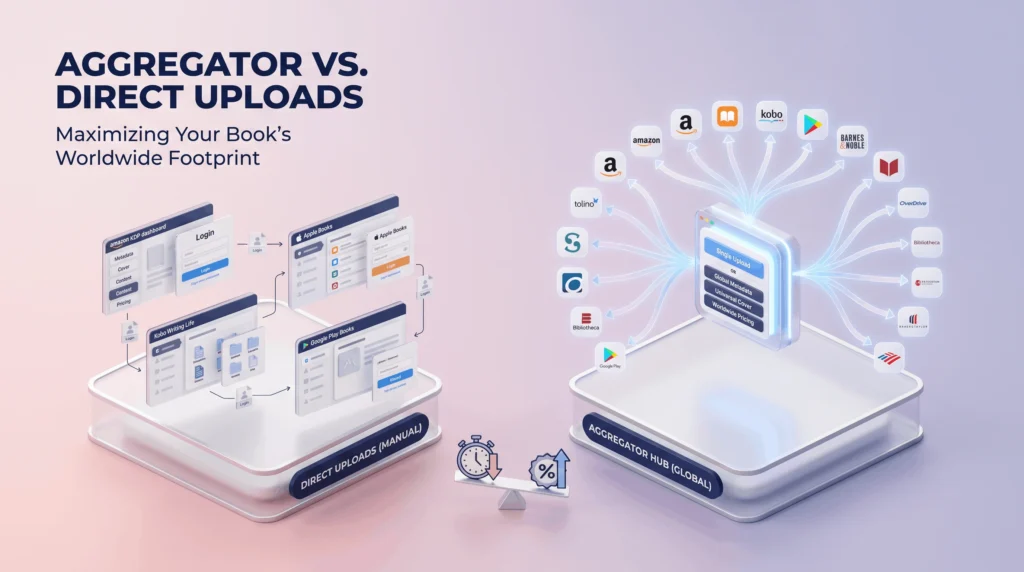
Aggregator vs. Direct Uploads: Maximizing Your Book’s Worldwide Footprint

Choose between direct uploads and an aggregator based on how widely you plan to distribute your book. Direct uploads offer more control, while aggregators simplify multi-platform distribution, metadata management, and international reach through one centralized process.

Preparing Your Manuscript for Press: A Checklist for Self-Publishing Authors

Before submission, verify your manuscript against each platform’s technical requirements, including trim size, margins, bleed, fonts, images, and metadata. A final pre-flight check catches formatting issues early, helping you avoid rejections, rushed corrections, and unnecessary launch delays.
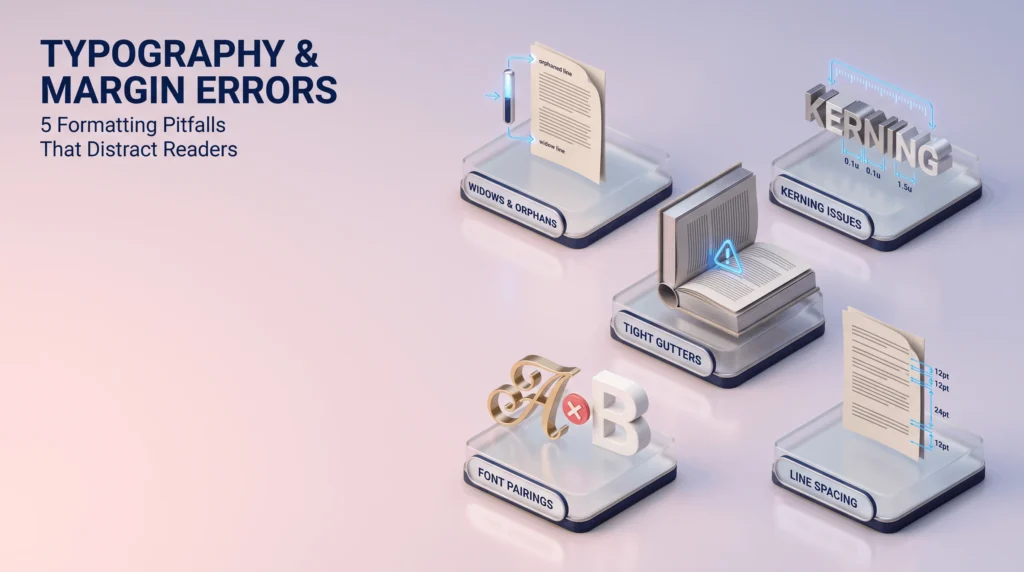
5 Typography and Margin Errors That Distract Readers from Your Story

Good typography keeps readers focused on your story rather than distracting formatting problems. Widows, poor kerning, tight gutters, mismatched fonts, and inconsistent spacing can make a book feel unpolished. Professional typesetting catches these details and creates a clean, comfortable reading experience.

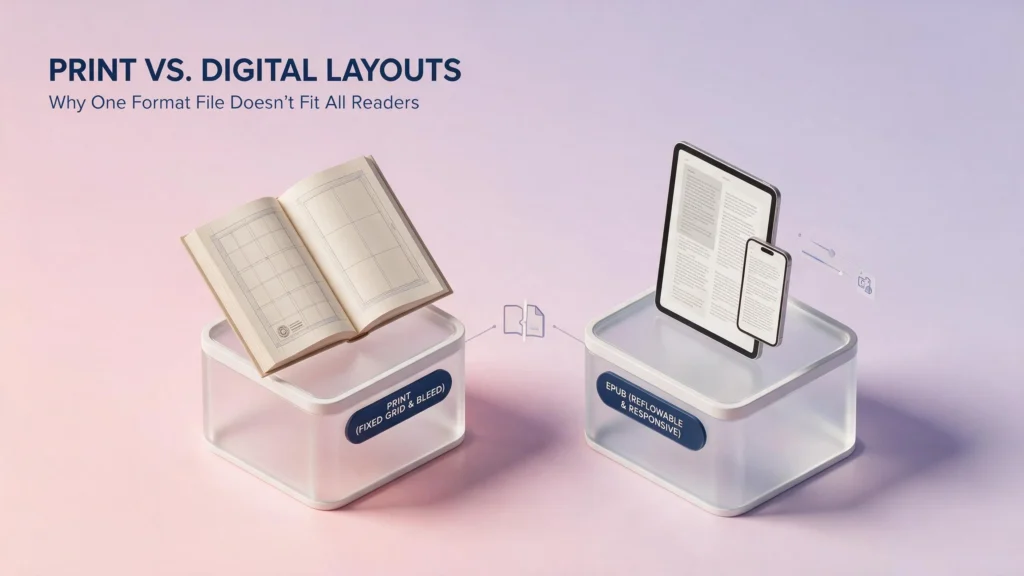
Print vs. Digital Layouts: Why One Format File Doesn’t Fit All Readers

Print and digital books need separate formatting because each follows different layout rules. Print requires fixed margins, bleed, and pagination, while eBooks must adapt to different screens and font sizes. Professional formatting ensures both versions display correctly across their intended formats.

Protecting Your IP: Essential NDA Clauses Every Author Needs Before Hiring a Ghostwriter

Before hiring a ghostwriter, authors should protect their intellectual property through clear legal agreements. NDAs, work-for-hire terms, copyright assignment, royalty waivers, confidentiality, and author credit clauses help establish ownership, protect sensitive information, and prevent future disputes.

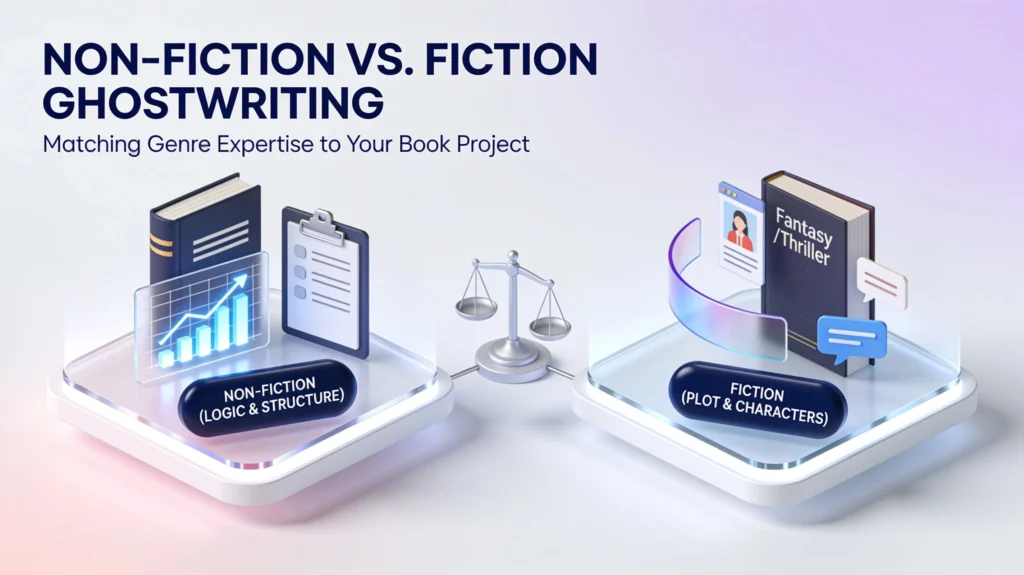
Non-Fiction vs. Fiction Ghostwriting: Finding the Right Expert for Your Book Project

Fiction and non-fiction require different ghostwriting skills. Choosing a writer experienced in your specific genre helps ensure the manuscript has the right structure, voice, characters, and storytelling style.

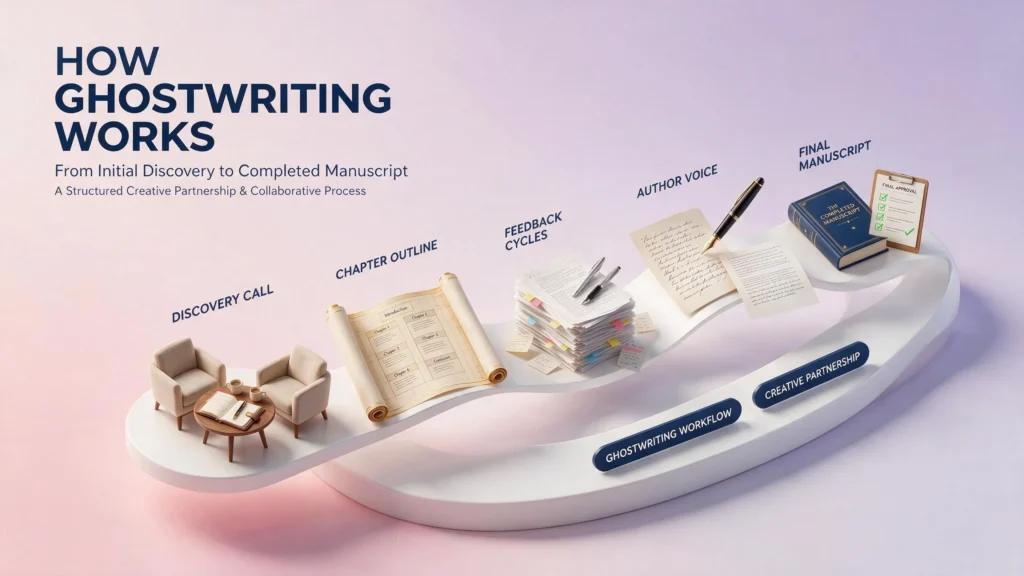
How Ghostwriting Works: From Initial Interview to Completed Manuscript

Ghostwriting is a collaborative process, not a simple handoff. From the discovery call and outline to chapter reviews, voice development, editing, and proofreading, each stage helps transform an author's ideas into a polished manuscript that still feels authentically theirs.

Beyond the Written Word: Expanding Translated Titles into Multi-Language Audiobooks

Translated books can reach even more readers through multilingual audiobooks. Native narrators, accurate pronunciation, platform-specific audio standards, and coordinated promotion help create an authentic listening experience and expand a translated title into new international audiences.

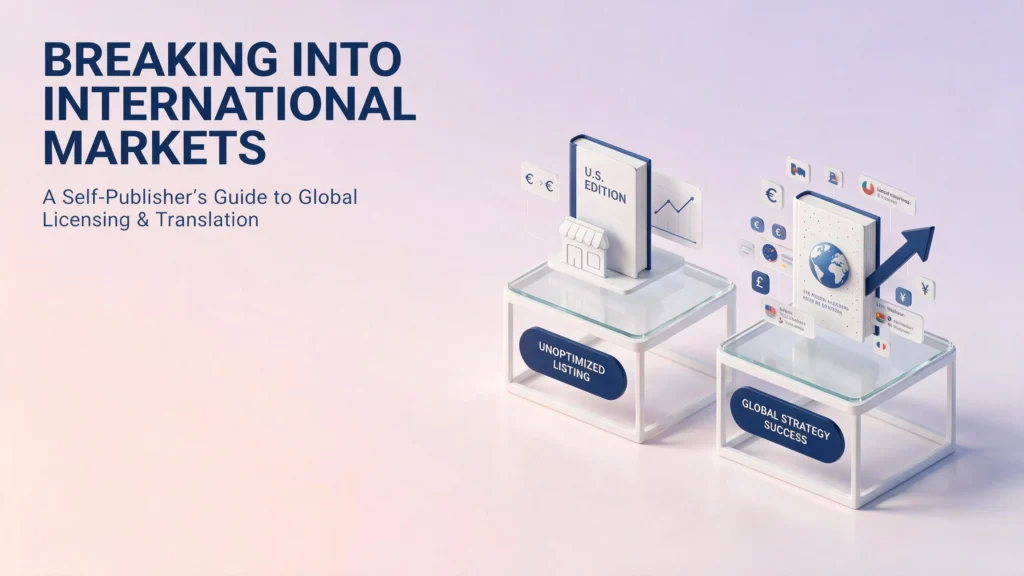
Breaking into International Book Markets: A Self-Publisher’s Guide to Global Licensing and Translation

International book sales require more than translation. Localized pricing, platforms, metadata, and marketing help authors reach the right readers and build successful global editions.

Human Translation vs. AI: Why Literary Works Need Cultural Adaptation, Not Literal Translation

AI translation may be accurate, but literary works need more than word-for-word conversion. Human translators preserve idioms, emotion, pacing, character voice, and cultural meaning so the translated story feels natural and authentic.

How Clean Proofing Protects 5-Star Reviews on Amazon and Barnes & Noble

Typos and formatting errors can quickly undermine reader trust and hurt reviews on platforms like Amazon and Barnes & Noble. A professional proofing pass catches the small mistakes readers notice most, helping protect your book’s credibility, presentation, and long-term reputation.

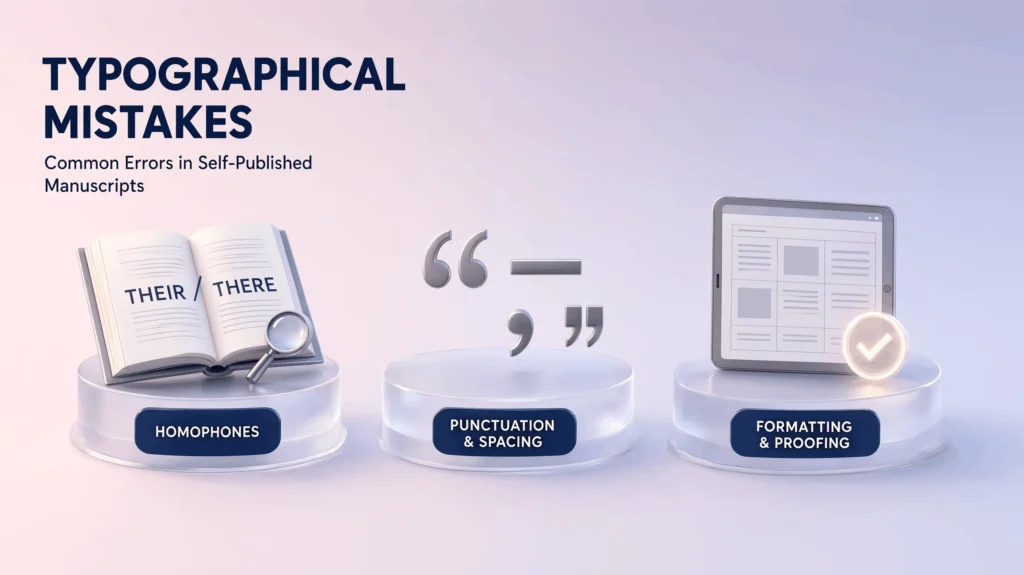
Common Typographical Mistakes That Slip Past Self-Publishing Authors

Common typographical mistakes can easily slip past self-publishing authors, especially after repeated readings. Homophones, punctuation errors, double spaces, and formatting inconsistencies often require a fresh set of professional eyes to catch before publication.

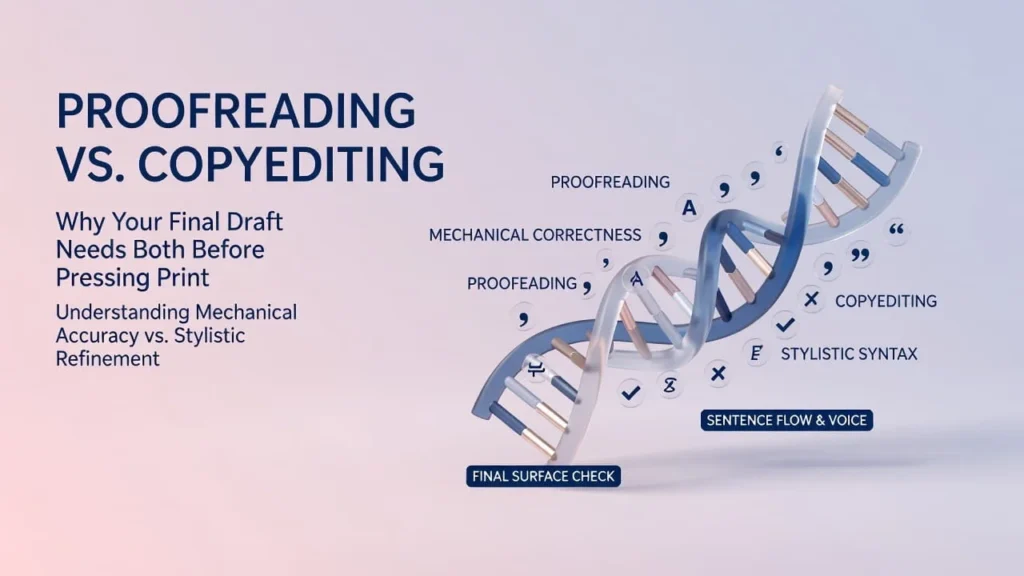
Proofreading vs. Copyediting: Why Your Final Draft Needs Both Before Pressing Print

Learn why professional copyediting and proofreading are both essential before publishing your book. Discover how copyediting improves clarity, sentence flow, and style, while proofreading catches final grammar, spelling, punctuation, and formatting errors for a polished, publication-ready manuscript.

From First Draft to Published Book: Mapping Your Author Roadmap

From first draft to published book, every stage matters. Follow this practical author roadmap covering manuscript revision, professional editing, cover design, formatting, ISBNs, marketing, and publishing preparation to turn your completed draft into a polished, market-ready book.

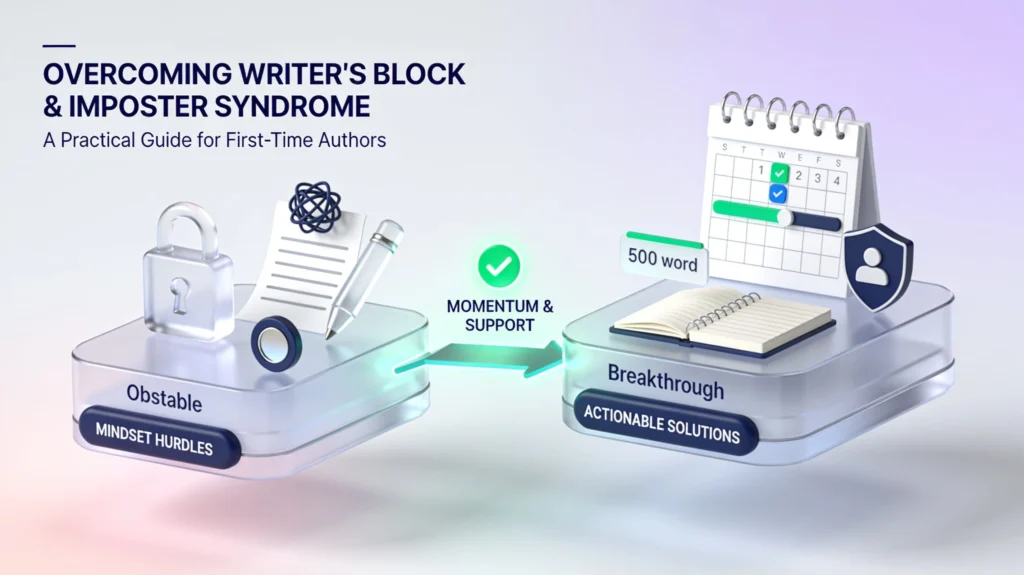
Overcoming Writer’s Block and Imposter Syndrome: A Guide for First-Time Authors

Overcome writer’s block and imposter syndrome with practical strategies for first-time authors. Learn how to build a consistent writing routine, set achievable goals, create accountability, and regain momentum when self-doubt or stalled creativity gets in the way.

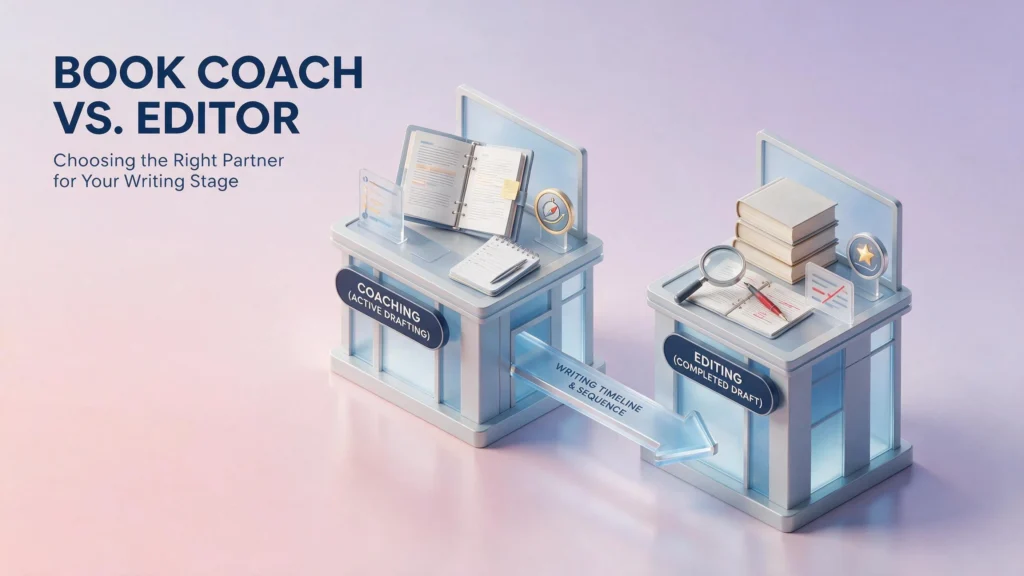
Book Coach vs. Editor: Choosing the Right Partner for Your Writing Stage

Not sure whether you need a book coach or professional editor? Learn the key differences between writing coaching and book editing, including timing, cost, accountability, manuscript development, and final polishing, to choose the right support for your writing stage.

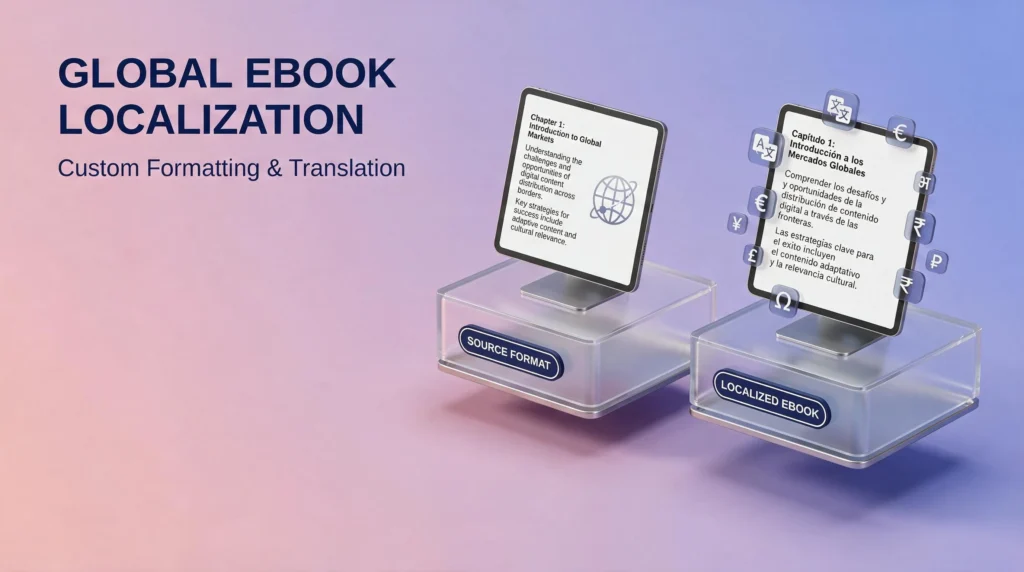
Expanding Global Reader Reach: Combining Custom eBook Creation with Book Translation Services

Expand your global audience by combining professional eBook formatting with book translation services. Learn how localization, typography, right-to-left layouts, international keywords, and cultural adaptation can help your translated eBook reach readers naturally across global markets.

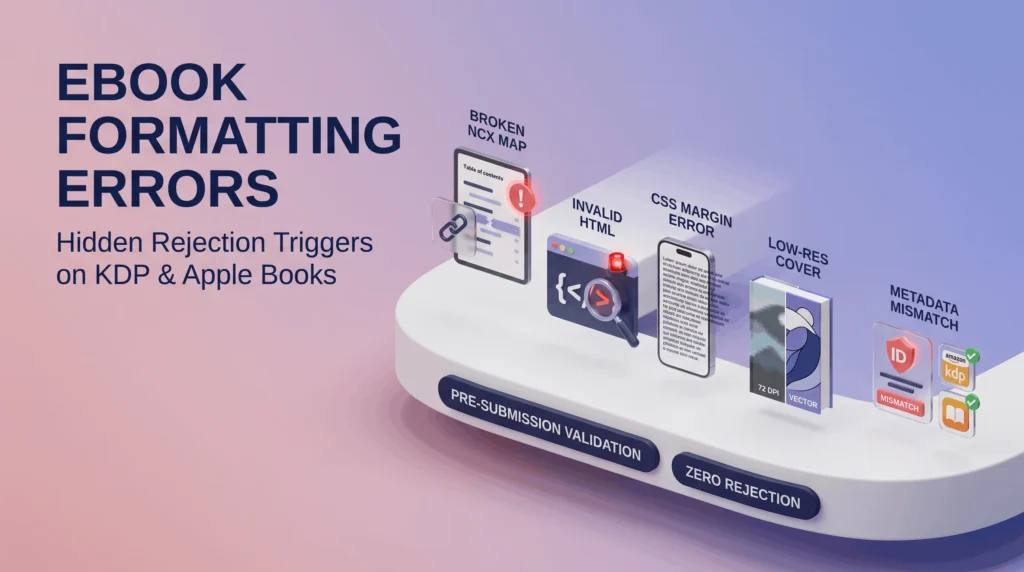
The Hidden Formatting Errors That Get eBooks Rejected on Amazon KDP and Apple Books

Learn how to avoid common eBook formatting errors that can lead to Amazon KDP and Apple Books rejections. Discover how broken navigation files, invalid HTML, CSS issues, image quality, and metadata mismatches can affect eBook approval and reader experience.

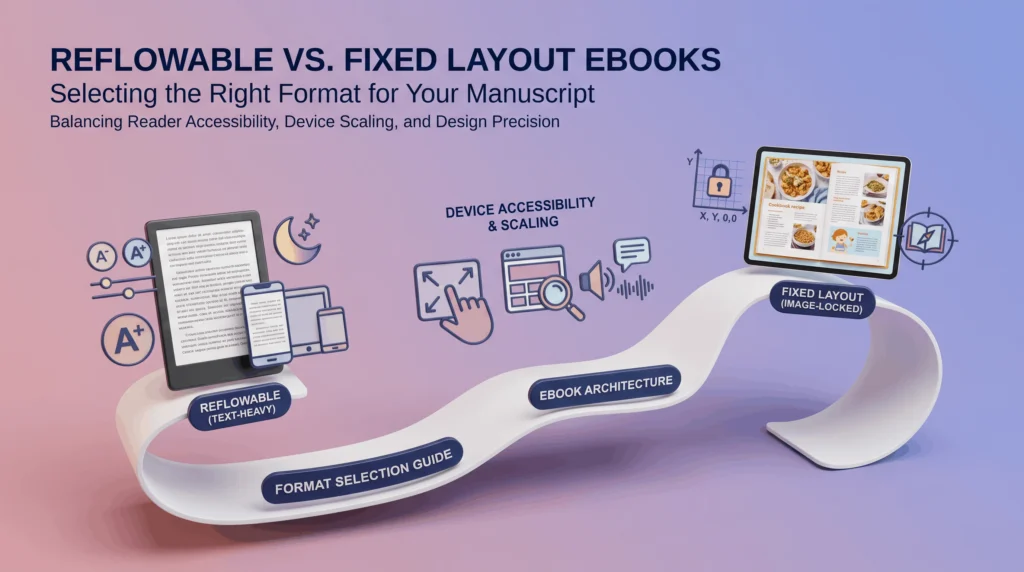
Reflowable vs. Fixed Layout eBooks: Selecting the Right Format for Your Manuscript

Learn the difference between reflowable and fixed-layout eBooks and discover which format best suits your manuscript. Explore how text, images, accessibility, and device compatibility affect eBook formatting for novels, cookbooks, children’s books, and illustrated titles.

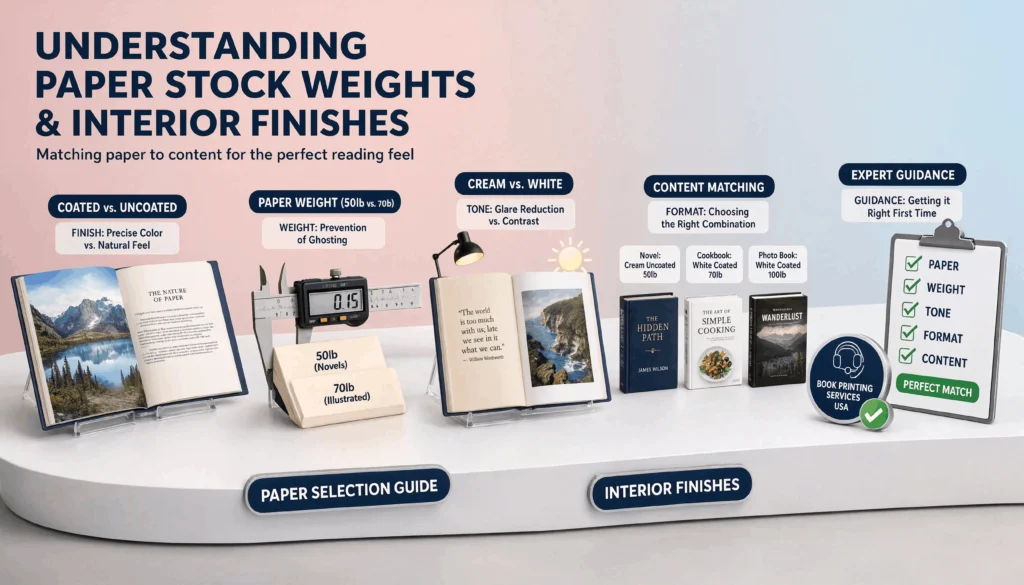
From Digital File to Physical Shelf: Understanding Paper Stock Weights and Interior Finishes

Discover how paper stock, weight, coating, and page color shape your book’s reading experience. Learn the differences between coated and uncoated paper, 50lb and 70lb stock, and cream versus white pages to choose the right finish for your book.