
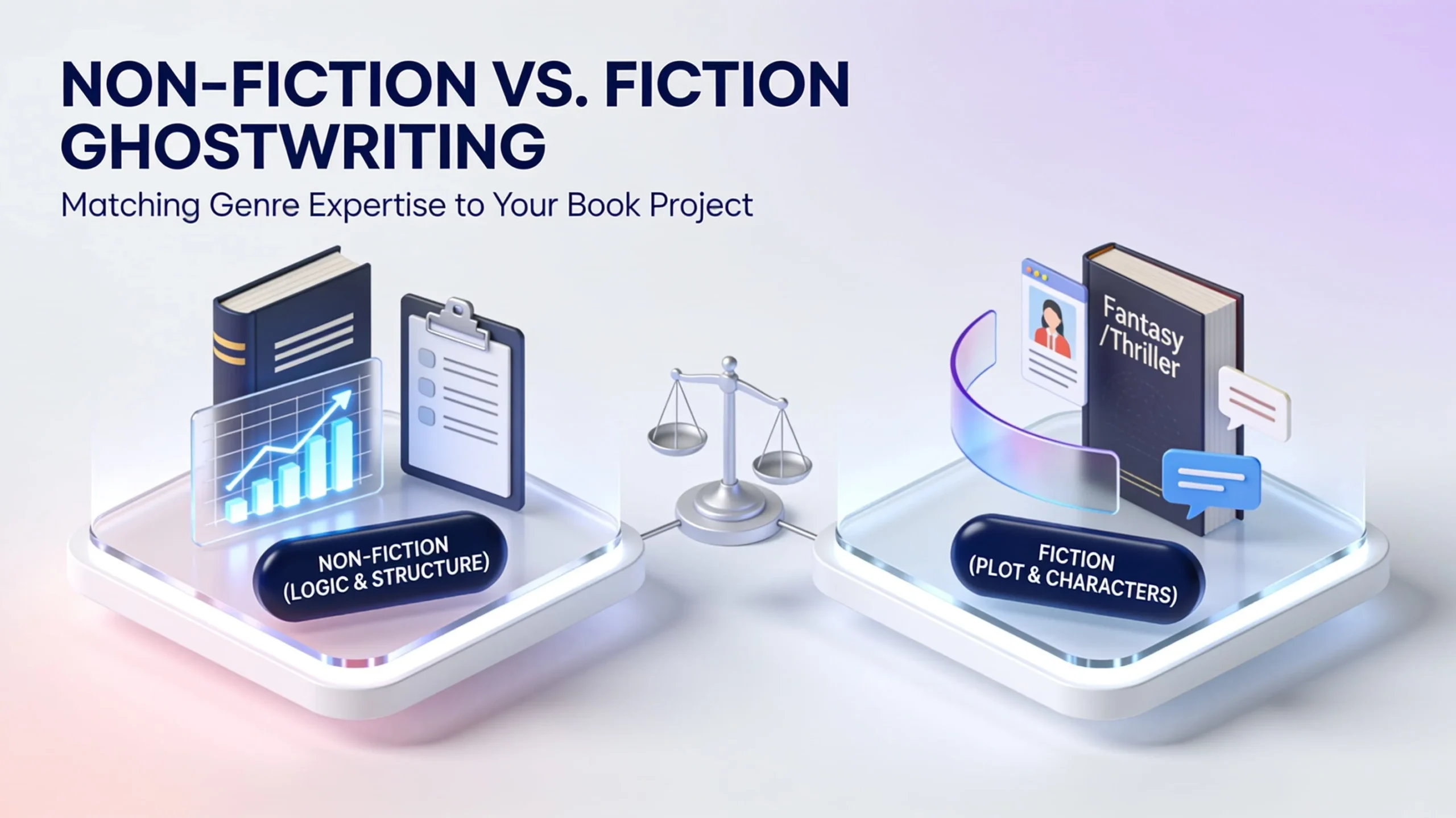
Not every ghostwriter who handles a business memoir well can write a compelling thriller, and the reverse is just as true. These are genuinely different crafts wearing the same job title, and picking a writer without genre-specific experience is one of the most common, costly mistakes authors make when hiring for the first time.
The Structural Backbone of Non-Fiction
Business books, memoirs, and thought leadership content are typically organized around argument and narrative arc rather than plot in the traditional sense a clear thesis or life story, supported by evidence, examples, and a logical sequence that builds toward a specific conclusion or insight. The structural work here involves organizing real material your actual experiences, your genuine expertise, your real professional insight into a compelling, well-sequenced shape, rather than inventing events from scratch.
What Business Memoirs and Thought Leadership Actually Demand
A business memoir needs to balance personal narrative with professional insight in a ratio that keeps readers engaged without turning into either a dry business manual or an overly personal story that loses its practical value. Thought leadership content specifically needs to establish credibility early and consistently, structured to demonstrate genuine expertise rather than simply asserting it. A ghostwriter experienced in this specific space understands how to weave concrete anecdotes with actionable insight in a way that keeps both halves of the book working together instead of feeling like two separate books awkwardly stitched into one.
Creative Plot Building: A Fundamentally Different Skill
Fiction ghostwriting requires an entirely different capability: building an original plot with genuine narrative tension, meaningful stakes, and a structure that keeps readers turning pages purely because they want to know what happens next. This isn’t organizing real material into a compelling shape it’s inventing compelling material from nothing but a concept and a set of characters, then structuring it according to storytelling principles non-fiction never needs to touch at all.
Character Arcs: Where Fiction Gets Genuinely Complex
A novel needs characters who grow, change, or are meaningfully tested across the story in a way that feels earned rather than arbitrary or convenient to the plot. Developing a believable character arc requires a completely different skill set than structuring a memoir’s timeline it’s psychological and narrative craft, not narrative organization of events that actually happened. A ghostwriter without genuine fiction experience often produces characters who feel flat or whose growth feels unearned, rushed, or unconvincing, because that specific craft simply isn’t the same discipline as organizing real events into a compelling shape.
Dialogue Mapping: The Detail That Separates Amateur From Professional Fiction
Fiction dialogue has to accomplish several things simultaneously reveal character, advance plot, and sound genuinely natural, all at once, in every single exchange throughout the book. This is a specific, trainable craft skill distinct from writing clear, effective prose in general. A ghostwriter skilled at structuring a business book’s clear, persuasive prose won’t automatically produce dialogue that sounds like real people actually talking to each other these are different muscles entirely, developed through different kinds of writing experience.
Why Genre Matching Actually Matters This Much
Hiring a talented business ghostwriter for a novel, or a skilled novelist for a structured business memoir, tends to produce a technically competent manuscript that still feels somehow off correct on a sentence level, but missing the specific instincts genre-appropriate experience actually provides. Matching your project to a writer with real, demonstrated experience in your specific genre isn’t a minor preference. It’s the single factor most likely to determine whether your finished manuscript reads as genuinely professional or merely adequate.
Making the Right Choice for Your Project
Before hiring, ask specifically about a ghostwriter’s portfolio in your exact genre, not just their general writing credentials or years of broad experience. A writer with fifteen years of business writing experience isn’t automatically equipped to write your novel well, regardless of how strong their prose is in their actual area of expertise. Matching genre experience to your specific project type is the single highest-leverage decision in the entire ghostwriting hiring process.