
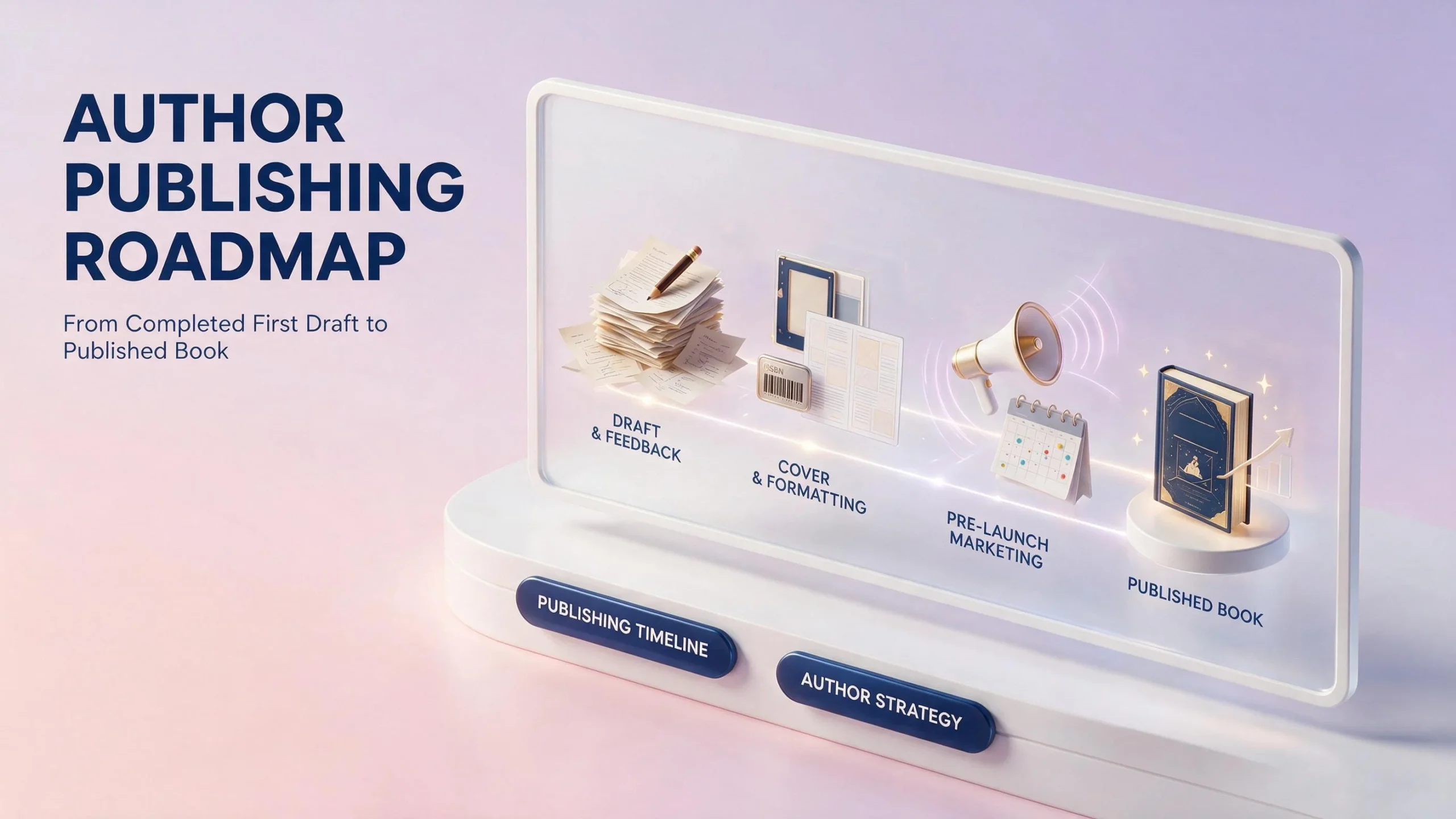
Finishing a first draft feels like the finish line when you’re in the middle of it. It’s actually closer to the halfway point. Here’s the realistic roadmap from a completed rough draft to an actual published, available book.
Transitioning From Outline to Raw Manuscript
A solid outline gives a first draft real direction, but the drafting process itself inevitably deviates from that plan a character develops differently than expected, a subplot turns out to matter more than originally planned, a scene you thought was essential quietly stops fitting the story that’s actually emerging. This is entirely normal, not a sign the outline failed. The outline’s real job is providing enough structure to prevent aimless drift, not locking in every detail with rigid, unbending precision.
Integrating Constructive Feedback Without Losing Your Own Vision
Once a full draft exists, outside feedback becomes genuinely essential you’re simply too close to the material at this point to see it with real clarity anymore. The skill here is distinguishing feedback that identifies a real, specific problem from feedback that’s really just one reader’s personal taste diverging from your own creative vision. Multiple readers independently flagging the exact same issue is a strong signal worth taking seriously. A single reader’s isolated preference is worth genuine consideration, but it doesn’t automatically require a rewrite around their specific taste.
Pre-Publishing Preparations Most First-Time Authors Underestimate
Beyond editing and proofreading, pre-publishing involves cover design, interior formatting for both print and digital editions, ISBN registration, and metadata setup for whichever platforms you’re planning to publish through. Each of these carries its own specific technical requirements that a raw manuscript file simply doesn’t need to account for, and underestimating this stage’s actual scope is one of the most common reasons launch timelines slip well past an author’s original, hopeful target date.
Marketing Alignment: Starting Earlier Than Most Authors Expect
Waiting until publication day to think seriously about marketing is a genuinely common mistake by then, there’s no time left to build the pre-launch audience and momentum that actually helps a book’s crucial first weeks of sales and visibility. Marketing planning should realistically start during the later stages of drafting or early editing, well before the book is technically finished and ready to sell.
Building Your Realistic Timeline
A complete journey from finished first draft to published, available book typically spans several months when done properly editing, cover design, formatting, and marketing preparation all take genuine, real time to execute well, and rushing any single stage tends to show up later as a problem readers notice and mention publicly in reviews. Authors who plan realistically for this full timeline, rather than assuming publication happens quickly right after typing “the end,” consistently launch stronger, more polished books than those racing to hit an arbitrary, self-imposed deadline.
Why the Roadmap Matters More Than the Destination
Authors who understand this full roadmap from the very start coaching or drafting support, editing, cover and formatting, then a coordinated marketing launch make better decisions at every single stage along the way, because they’re not blindsided by a step they didn’t realistically anticipate. “The end” on a first draft isn’t the finish line. It’s the moment the actual publishing roadmap genuinely begins, and knowing that upfront is what separates authors who finish strong from those who quietly stall out somewhere in the unglamorous middle stretch nobody warned them about.