
Agents read hundreds of query letters a month, and most get a rejection, or no response at all, within the first two paragraphs. The difference between a query that gets a full manuscript request and one that gets ignored usually comes down to a handful of specific, fixable structural choices.
The Pitch Hook: Your First and Only Real Chance
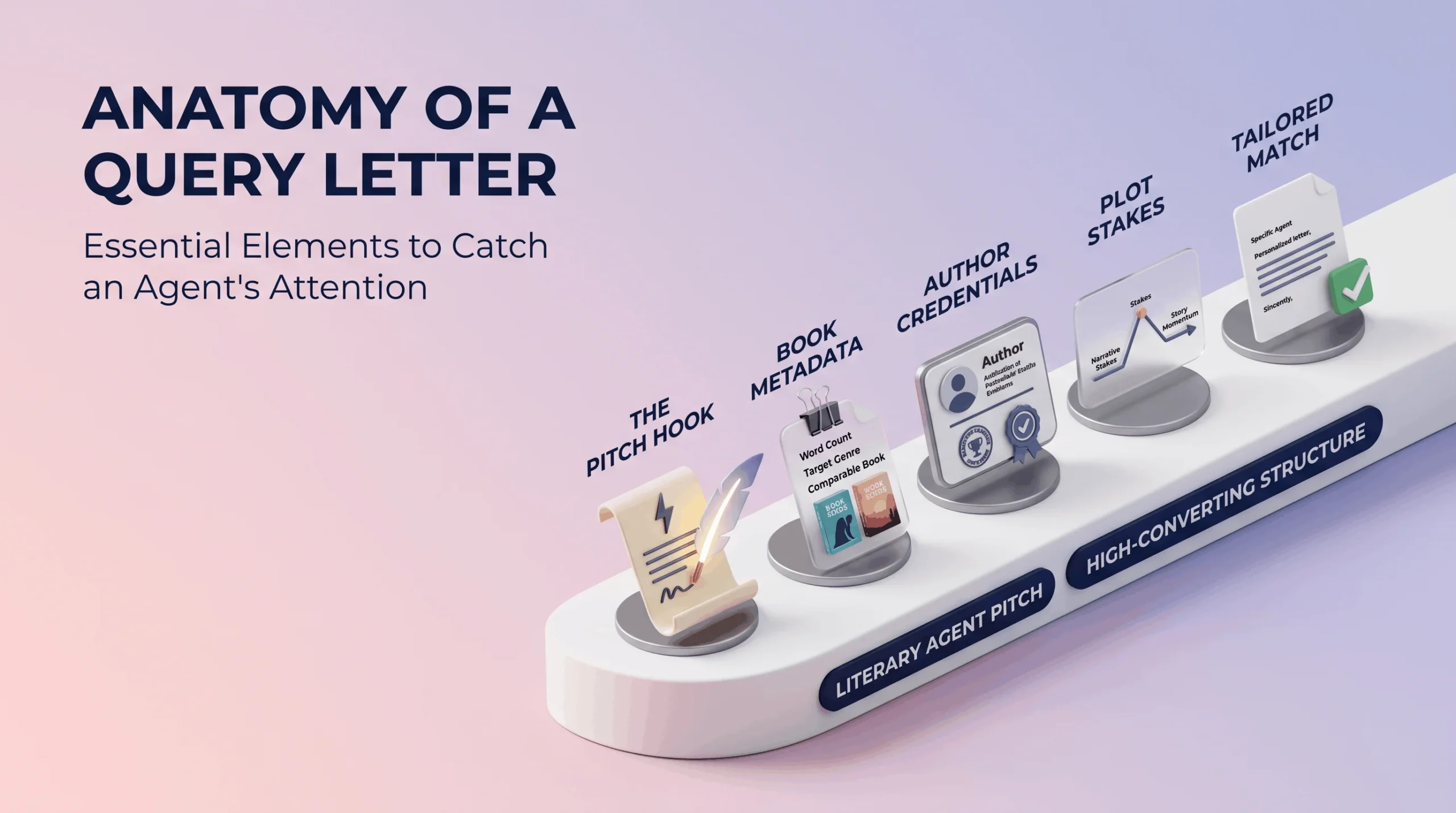
The opening lines of a query letter carry disproportionate weight an agent decides within seconds whether to keep reading seriously or start skimming toward the rejection pile. A strong hook establishes the core conflict or central tension of your story immediately, in specific, concrete terms, rather than opening with a vague, generic statement about your book’s broad themes that could describe a thousand other manuscripts equally well.
Manuscript Metadata: The Practical Details Agents Actually Need First
Word count, genre, and comparable titles all need to appear clearly and prominently, typically right after the hook or woven naturally into the opening paragraph. An agent needs to immediately know whether your project fits what they’re actually representing before investing further time reading the rest of your pitch a fantasy novel query buried three paragraphs deep before genre gets mentioned wastes an agent’s attention on details that should have been established immediately.
Author Bio Formatting: Relevant Credentials, Not a Full Resume
Author bio sections work best when they’re brief and specifically relevant prior publication credits, relevant professional experience directly connected to the book’s subject matter, or genuine writing community involvement. A bio listing unrelated career achievements or personal details with no clear connection to the manuscript itself dilutes the letter’s actual focus and wastes valuable space that should be reinforcing why you’re specifically qualified to have written this particular book.
Synopsis Integration: How Much Plot Actually Belongs in a Query
Some agents request a full separate synopsis; others want a brief plot summary integrated directly into the query letter itself. When integrated, this summary needs to convey stakes and the shape of the story’s central conflict without unspooling every single plot twist enough to demonstrate the story has real structure and forward momentum, without functioning as a complete chapter-by-chapter outline of everything that happens.
Common Query Rejection Triggers Worth Actively Avoiding
Certain mistakes appear constantly across rejected queries: addressing the letter to “Dear Agent” instead of a specific, correctly spelled name, ignoring an individual agent’s explicitly stated submission guidelines, querying a genre that agent doesn’t actually represent, or a pitch so vague it could plausibly describe several entirely different books. Each of these signals to an agent that a query wasn’t written specifically for them, which invites an immediate pass regardless of how strong the actual manuscript underneath the letter might genuinely be.
Tailoring Every Query Individually, Not Mass-Sending
A query letter that reads as personalized to a specific agent referencing a comparable title they’ve represented, or genuine familiarity with the genre they focus on stands out immediately against a stack of obviously generic form letters. This requires real research before submission, but it consistently and measurably improves response rates compared to blasting the identical letter out to fifty names simultaneously.
Bringing the Anatomy Together
A high-converting query letter isn’t complicated, but it does require every individual piece hook, metadata, bio, synopsis integration to work together as one coherent, focused pitch rather than a checklist of disconnected required elements loosely stapled together. Authors who genuinely understand what each specific piece is actually doing, and why, write measurably stronger queries than those simply copying a generic template found online and swapping in their own book’s details.